“cilia dynamics is a remarkable playground for physics, mathematics, and computing“
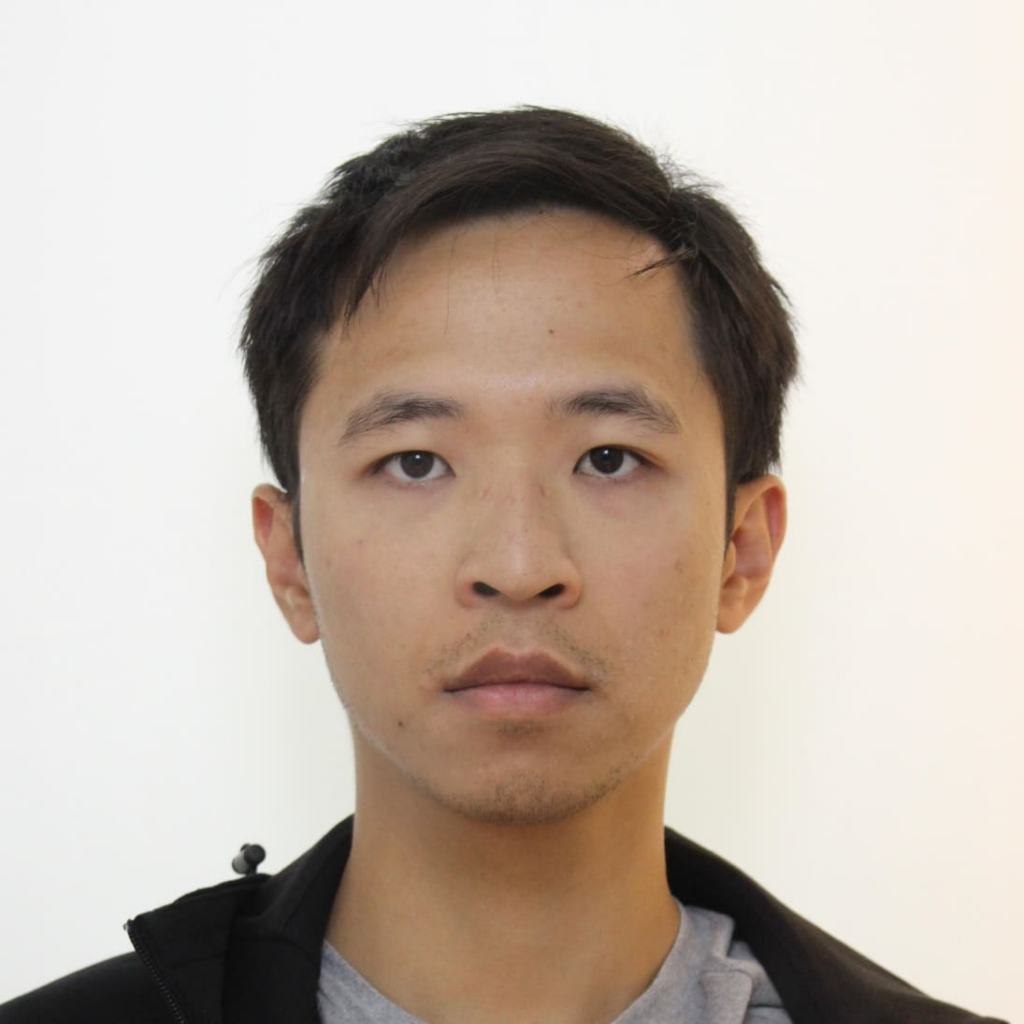
Hang Su as joined the UNICIL project from the very beginning in February 2026. He is working with Prof Eric Keaveny at Imperial College London.
What led you to pursue cilia/computational research?
I was introduced to cilia research during my master’s project, when I discovered that cilia dynamics is a remarkable playground for physics, mathematics, and computing – the three things I don’t minding doing or talking about anytime on the day. I thoroughly enjoyed the master’s project and went on to do my PhD focusing on the computational modelling of cilia dynamics, where I developed a more systematic understanding of these fascinating biological systems.
Why did you want to join the UNICIL team?
Joining UNICIL felt like a natural next step. The project’s multidisciplinary nature enables the intersection of different fields, and collaborating with experts from diverse backgrounds is something I believe will significantly broaden my perspective and strengthen my research.
What will your main research activities be on UNICIL?
Within the team, my main focus will be on developing mathematical and computational models of cilia dynamics, as well as maintaining the computational infrastructure that underpins the group’s research. My goal is to help ensure our work is both efficient and of the highest standard. I am thrilled to be part of this consortium and look forward to the discoveries and collaborations ahead!
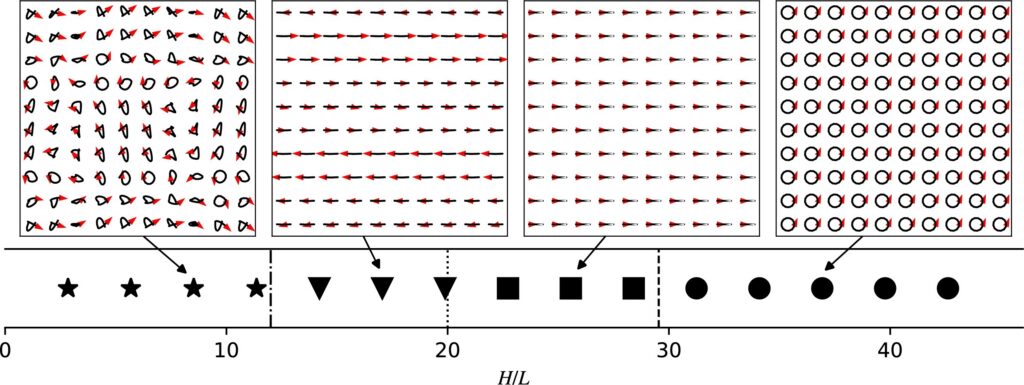
Accelerating the force-coupling method for hydrodynamic interactions in periodic domains (Fig. 7)
Hang Su, Eric E. Keaveny